

Welcome to the second educational blog post in our series on remote monitoring for caregivers of patients with cardiovascular implantable electronic devices (CIEDs). In this post, we will focus on the second key takeaway from the 2023 HRS/EHRA/APHRS/LAHRS Expert Consensus Statement on Practical Management of the Remote Device Clinic prompt patient enrollment and maintenance of regular connectivity with long-term adherence to RM accomplished by individualized patient and caregiver education is essential to an effective RM program.
Prompt patient enrollment is essential to an effective RM program. Patients with CIEDs should be enrolled in remote monitoring programs as soon as possible to ensure that they receive the benefits of this technology. Delayed enrollment can lead to missed opportunities for early detection of device malfunctions or changes in the patient’s condition, potentially compromising their health outcomes.
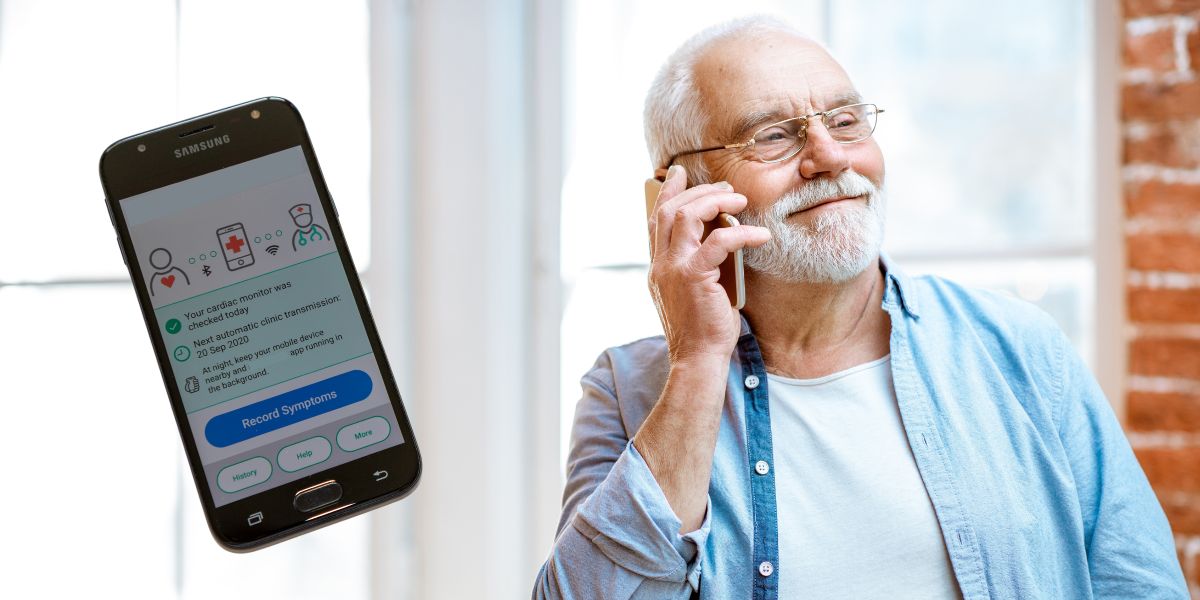
Regular connectivity with long-term adherence to RM is essential to an effective RM program. Patients need to maintain regular connectivity with the remote monitoring system to ensure that the data is transmitted to the healthcare provider in a timely manner. Long-term adherence to remote monitoring can be achieved through individualized patient and caregiver education. Patients and caregivers must understand the importance of remote monitoring and how to use the technology.
Prompt patient enrollment and regular connectivity offer several benefits for patients with CIEDs. Here are some key advantages:
As caregivers, it is crucial to ensure prompt patient enrollment and regular connectivity in remote monitoring programs for patients with CIEDs. By embracing this technology and providing individualized patient and caregiver education, you can help improve patient outcomes and reduce healthcare utilization. Stay informed about the latest guidelines and recommendations from professional societies like the ACC and AHA. Collaborate with device manufacturers and other healthcare professionals to optimize the implementation of remote monitoring in your clinic.
In our next blog post, we will delve into the importance of adequate staffing and defined roles and responsibilities in remote monitoring programs. Stay tuned for more valuable insights on managing remote monitoring for patients with CIEDs.
If you would like to have a conversation, reach out to Mike Mantzouris, VP of Customer Development, by making an appointment on his calendar: https://bit.ly/450EHDX
*Note: This educational blog post is provided as a service of Cardiac RMS and is based on the 2023 HRS/EHRA/APHRS/LAHRS Expert Consensus Statement on Practical Management of the Remote Device Clinic*
Additional Resources:
[1] https://www.guidelinecentral.com/guideline/2800657/
[2] https://www.science.gov/topicpages/r/remote+health+care.html
[3] https://www.hrsonline.org/news/press-releases-statements/consensus-statement-remote-device-clinics
[4] https://www.sciencedirect.com/science/article/abs/pii/S1547527123020118[5] https://lahrs.org/guias_lahrs/hrs-expert-consensus-statement-on-remote-interrogation-and-monitoring-for-cardiovascular-implantable-electronic-devices.pdf