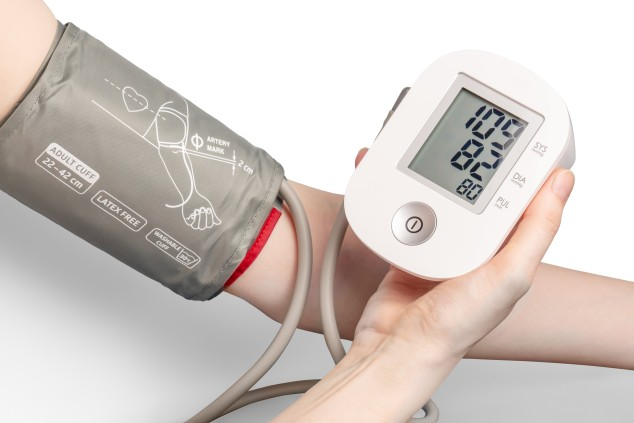


Remote Patient Management (RPM) is a technology that allows healthcare providers to monitor patients remotely. This technology is particularly useful for patients with chronic conditions such as kidney disease, who may not be in the office all the time. RPM can help nephrologists manage patients who are not in the office frequently.
Patients with kidney disease who are managed with RPM would feel more connected to their healthcare providers. They would have access to real-time data about their health, which would allow them to make informed decisions about their care. Patients would also feel more empowered to manage their condition, which could lead to better outcomes.
Physician practices that use RPM for kidney disease would also benefit. CardiacRMS and DocGo are two examples of RPM systems that can help manage patients with kidney disease. These systems would allow physicians to monitor patients remotely without having to see them in person. The physician practice would only need to read the data and see patients who have exacerbations. This would save time and resources and could lead to better outcomes for patients.
Benefits of RPM for Nephrology Patients
Studies have shown that RPM can improve outcomes for patients with kidney disease. For example, a study published in the Clinical Journal of the American Society of Nephrology found that RPM was associated with increased blood pressure control and technique survival and decreased hospitalization rates [1]. Another study found that RPM improved patient knowledge of the disease and enhanced the partnership between patients and clinicians [2].
In conclusion, RPM is a valuable tool for managing patients with kidney disease who are not in the office frequently. Patients who are managed with RPM would feel more connected to their healthcare providers, and physician practices would benefit from the time and resource savings. RPM has been shown to improve outcomes for patients with kidney disease, and it is a promising technology for the future of healthcare.
#RPMforNephrology #VirtualCareManagement #KidneyDiseaseManagement #ChronicKidneyDisease #RemotePatientMonitoring #HealthcareTechnology
Citations:
[1] https://academic.oup.com/ckj/article/14/12/2483/6316253
[2] https://timedochealth.com/medical-groups-practices/nephrologist/